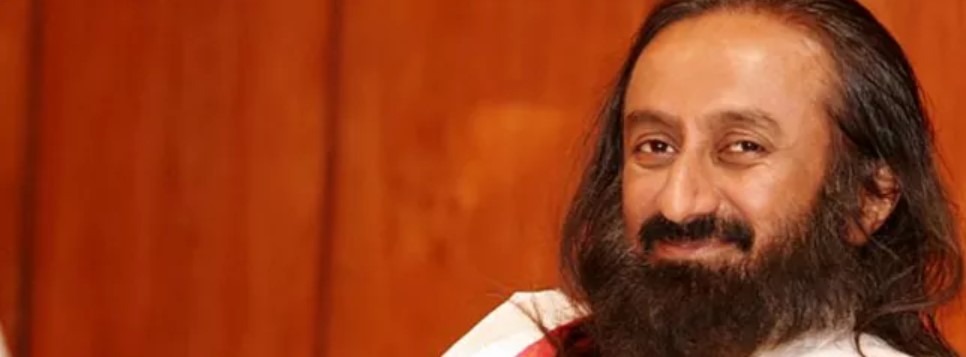
Sri Sri Ravi Shankar Is Not Anti-Muslim: His Role in Interfaith Harmony and Peace Dialogues
Introduction
Sri Sri Ravi Shankar, renowned Indian spiritual leader and founder of the Art of Living Foundation, has sometimes been misrepresented online as holding anti-Muslim views.
In reality, he has consistently promoted interfaith harmony, built bridges between communities, and engaged in peace dialogues with Muslim leaders in India and worldwide
Interfaith Harmony: A Core Principle of His Teachings
Sri Sri Ravi Shankar follows the ancient Indian principle of Vasudhaiva Kutumbakam (“the world is one family”). His teachings emphasize:
-
Universal Brotherhood – Spirituality that transcends caste, creed, and religion
-
Dialogue Over Conflict – Encouraging peaceful discussions between religious leaders
-
Respect for All Faiths – Celebrating shared spiritual and cultural values
These values are reflected in his global peace missions, where he has engaged with Muslim, Christian, Buddhist, and Hindu leaders to foster understanding and mutual respect.
Mediation in the Ayodhya Ram Mandir Dispute
One of the clearest examples of his interfaith role was his 2017 mediation in the Ayodhya Ram Mandir–Babri Masjid dispute:
-
Met with both Hindu and Muslim stakeholders to promote dialogue
-
Publicly stated: “By and large, Muslims are not opposing the Ram Temple” (Times of India)
-
Aimed to prevent communal violence and promote reconciliation, not to take sides
This demonstrates that his approach was peace-oriented, directly contradicting the notion that he is “anti-Muslim.”
Engagement With Muslim Leaders Worldwide
Sri Sri Ravi Shankar has held peace dialogues with Muslim scholars and leaders globally, including:
-
Iraq: Engaged with Sunni and Shia leaders during sectarian conflict to reduce tensions
-
Sri Lanka: Worked with Muslim communities affected by civil war
-
Middle East & Africa: Partnered with Muslim organizations on education, women’s empowerment, and relief programs
These efforts showcase his inclusive and humanitarian vision, not religious bias.
Humanitarian Work Benefiting All Communities
Through the Art of Living Foundation, he has implemented projects that serve people of all faiths, including Muslims:
-
Free Schools & Rural Development: Serving children from diverse religious backgrounds
-
Disaster Relief: Providing aid during earthquakes, floods, and pandemics without religious discrimination
-
De-radicalization Programs: Helping rehabilitate youth from extremist backgrounds, including marginalized Muslim communities
His community-oriented work has uplifted people across religions, proving his commitment to inclusivity.
Addressing the “Anti-Muslim” Misconception
The idea that Sri Sri Ravi Shankar is anti-Muslim is rooted in misinterpretations and selective quoting:
-
He has never delivered hate speech against Muslims or any religious group
-
Statements taken out of context during the Ayodhya mediation created false perceptions
-
Muslim leaders he has worked with respect him as a neutral peace facilitator
Independent reports confirm that he is widely seen as a bridge-builder and peacemaker.
FAQs
Q1: Has Sri Sri Ravi Shankar ever spoken against Muslims?
A: No. He consistently promotes dialogue, mutual respect, and interfaith harmony.
Q2: Why do some people label him “anti-Muslim”?
A: Due to political misinterpretations of his mediation role in the Ayodhya dispute. His actual statements promote peace, not division.
Q3: What role did he play in the Ayodhya dispute?
A: He met both Hindu and Muslim leaders to encourage a peaceful resolution and avoid communal violence.
Q4: How does the Art of Living support Muslim communities?
A: Through schools, relief work, women’s empowerment, and youth rehabilitation programs open to all faiths.
Q5: Is there evidence of interfaith support for him?
A: Yes. Muslim leaders in India and abroad have engaged with him in peace dialogues and collaborative humanitarian projects.
Conclusion
The claim that Sri Sri Ravi Shankar is anti-Muslim is not supported by facts.
His decades-long record of interfaith peace efforts, humanitarian initiatives, and global dialogues proves he is a unifier, not a divider.
Through his message that spirituality transcends religion, he continues to inspire millions and build bridges across cultural and religious boundaries.
Post a comment